
When selecting partners for complex long-term underground mining contracts, mining companies look beyond technical expertise and operational experience. Increasingly, they are seeking contractors with the financial strength and governance structures needed to manage the significant risks associated with multi-year shaft sinking and underground development projects.
According to Cementation Group Chief Financial Officer, Sibulele Songca, underground mining projects often require commitments spanning five to ten years, making financial resilience as important as engineering capability.
“When clients embark on greenfield developments or brownfield expansions underground, they need confidence that their contracting partner will remain financially resilient throughout the life of the project,” Songca explains. “A strong balance sheet, underpinned by sound governance, provides that confidence and has become just as important as technical capability.”
Having built a global reputation over decades as a specialist underground mining contractor, Cementation entered a new phase last year following its acquisition by Johannesburg-based investment firm Differential Capital. While the acquisition has further strengthened the company’s financial foundation, Songca emphasises that genuine financial resilience extends well beyond the size of a balance sheet.
“Balance sheet strength is ultimately the result of good governance,” he says. “Strong governance protects the business from risks that erode value while creating the capacity to generate sustainable returns from the capital entrusted to the company.”
This philosophy has become a cornerstone of Cementation’s business strategy, combining decades of underground mining expertise with a renewed financial platform for growth. At its core is a disciplined approach to capital allocation, ensuring investment is directed only towards opportunities capable of delivering sustainable long-term returns.
“Good governance ensures capital is allocated where it can generate the required return and not where the risks outweigh the opportunity,” Songca says.
This disciplined approach begins long before a contract is awarded. Every major opportunity is subjected to a rigorous governance process before a tender is submitted with dedicated risk committees assessing the client, project location, technical complexity, commercial structure, pricing assumptions and expected financial returns before deciding whether the company should proceed.
“Sometimes the right decision is to walk away,” Songca says. “Having the discipline to decline certain opportunities prevents us from pursuing projects that could ultimately destroy value.”
This selective approach gives mining companies confidence that Cementation pursues projects based on their long-term viability rather than simply securing turnover.
Financial strength also provides tangible advantages once projects move into execution.
“It is not simply about having money in the bank,” Songca explains. “Our financial position allows us to raise project capital, finance specialised equipment, access working capital facilities and provide the guarantees that clients require.”
Performance guarantees, retention guarantees and substantial mobilisation costs are standard features of major underground contracts. Contractors with limited financial capacity often struggle to secure these facilities, reducing their ability to compete for large, technically demanding projects.
“In our industry, financial strength represents a significant barrier to entry,” he notes. “Companies that cannot secure guarantees or obtain competitive financing will find it difficult to present a compelling solution to clients.”
The company’s ability to fund significant mobilisation costs also provides greater commercial flexibility during the critical start-up phase of major projects.
Songca notes that investment capacity extends beyond finance alone. Cementation has a significant investment in fleets of specialised underground mining equipment, viewing these assets as strategic capital investments rather than simply operational tools.
“Our specialised equipment fleet is a key differentiator,” he explains. “Every machine represents deployed capital and must deliver appropriate shareholder returns throughout its operating life.”
To maximise those returns, the company applies total cost of ownership principles across its fleet, integrating preventative maintenance, lifecycle management and digital monitoring technologies to improve equipment availability, productivity and long-term asset performance.
“Well-maintained equipment delivers reciprocal benefits,” Songca says. “Higher availability improves productivity, enhances project efficiency and creates even greater value when combined with digital technologies.”
This ongoing investment includes specialist assets such as raise boring rigs, shaft winders and other underground mining equipment that require continual maintenance, technological upgrades and periodic replacement to remain competitive.
Equally important is the financial discipline required to manage large multi-year contracts successfully. Drawing on lessons learned during challenging market conditions in recent years, Cementation has embedded rigorous cash flow management and disciplined financial controls throughout its operations.
Songca believes this combination of strong governance, disciplined capital allocation, financial resilience and sustained investment in specialised capability positions Cementation to support the next generation of underground mining developments globally, whether for established mining houses or emerging junior miners.

Sibulele Songca, Cementation Group Chief Financial Officer.
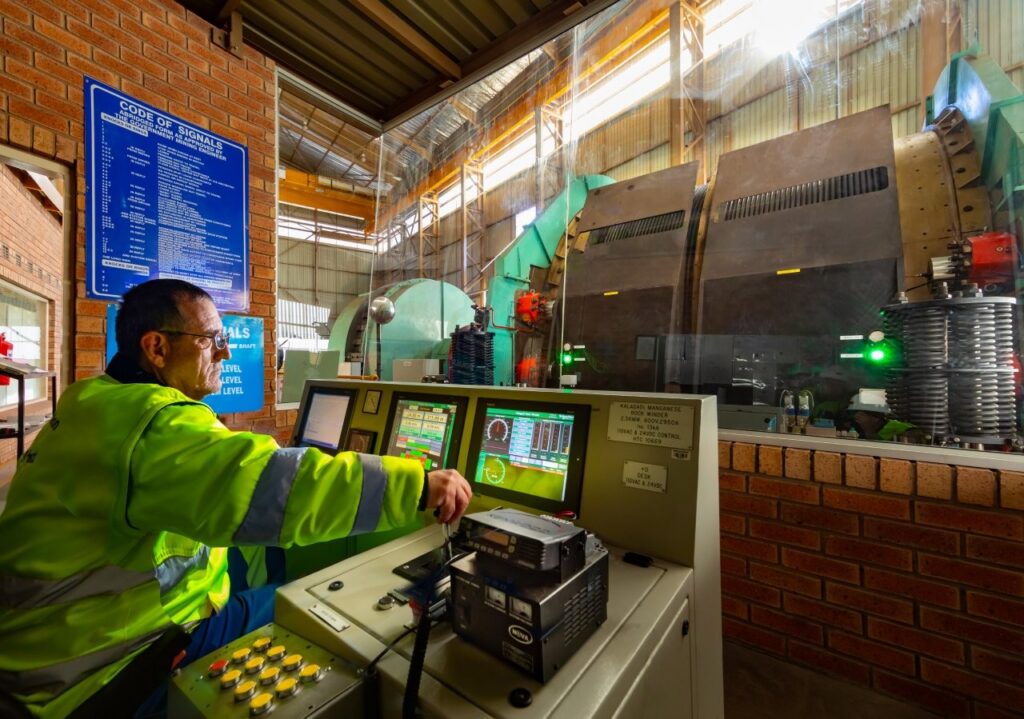
Cementation Africa’s rock winders are critical to shaft sinking and hoisting, safely and efficiently moving rock, equipment and materials during shaft development and underground operations.
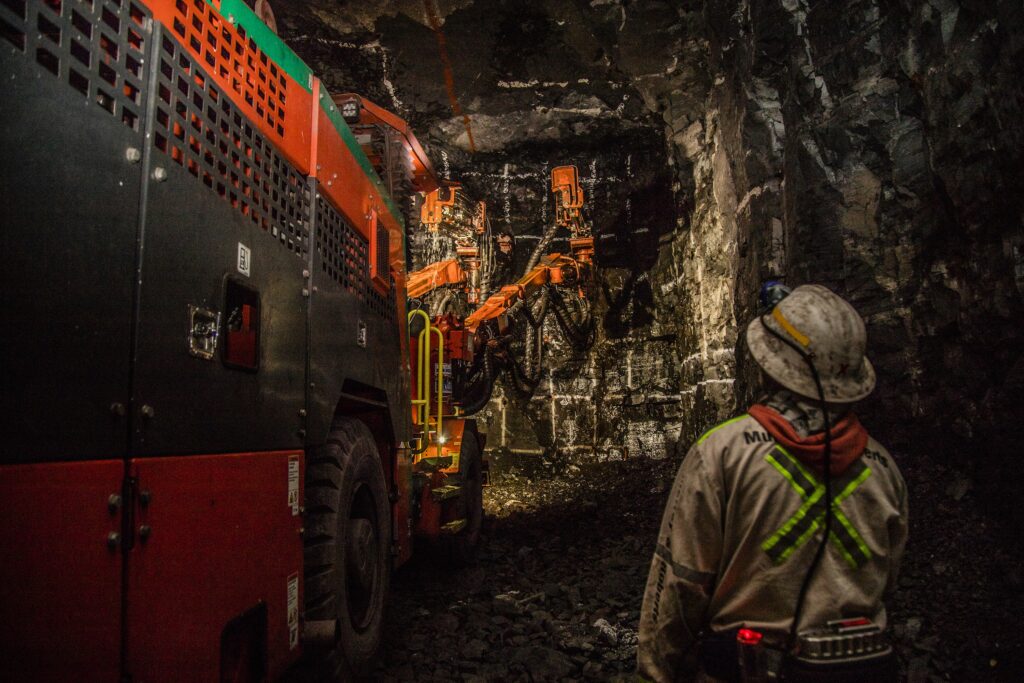
Cementation Africa’s core business of opening up ore reserves and underground infrastructure is reflected in the precise drilling of a development end under the watchful eye of an assistant.
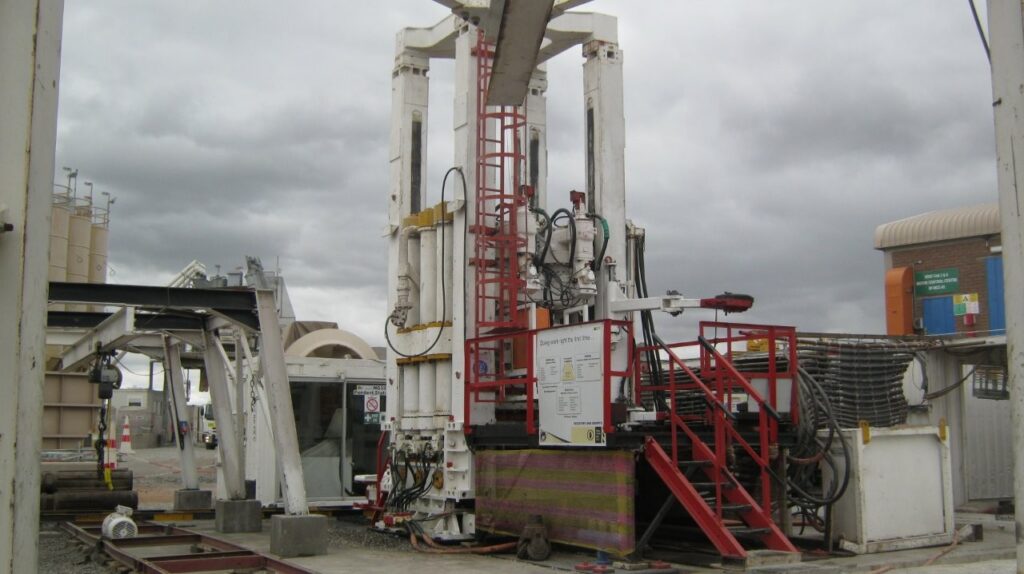
Cementation Africa installs surface raise drills to create underground-to-surface ventilation shafts, accurately drilling pilot holes to depths of up to 1 000 m before reaming large-diameter openings.
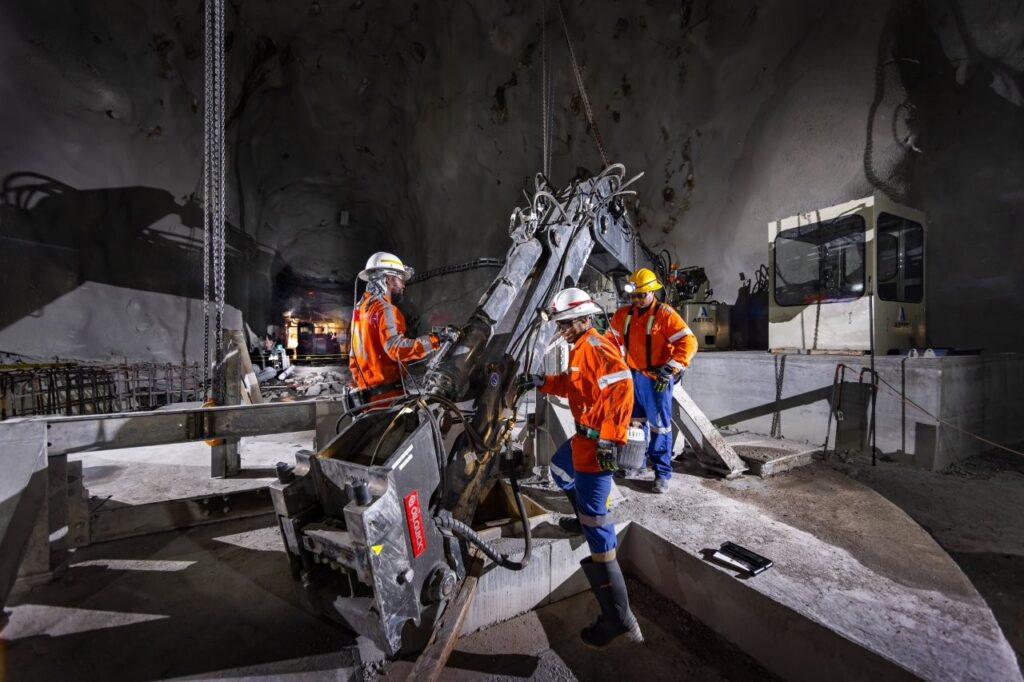
Cementation Africa equips underground tipping points with rock breakers to manage oversized material and keep tipping operations running safely and efficiently.
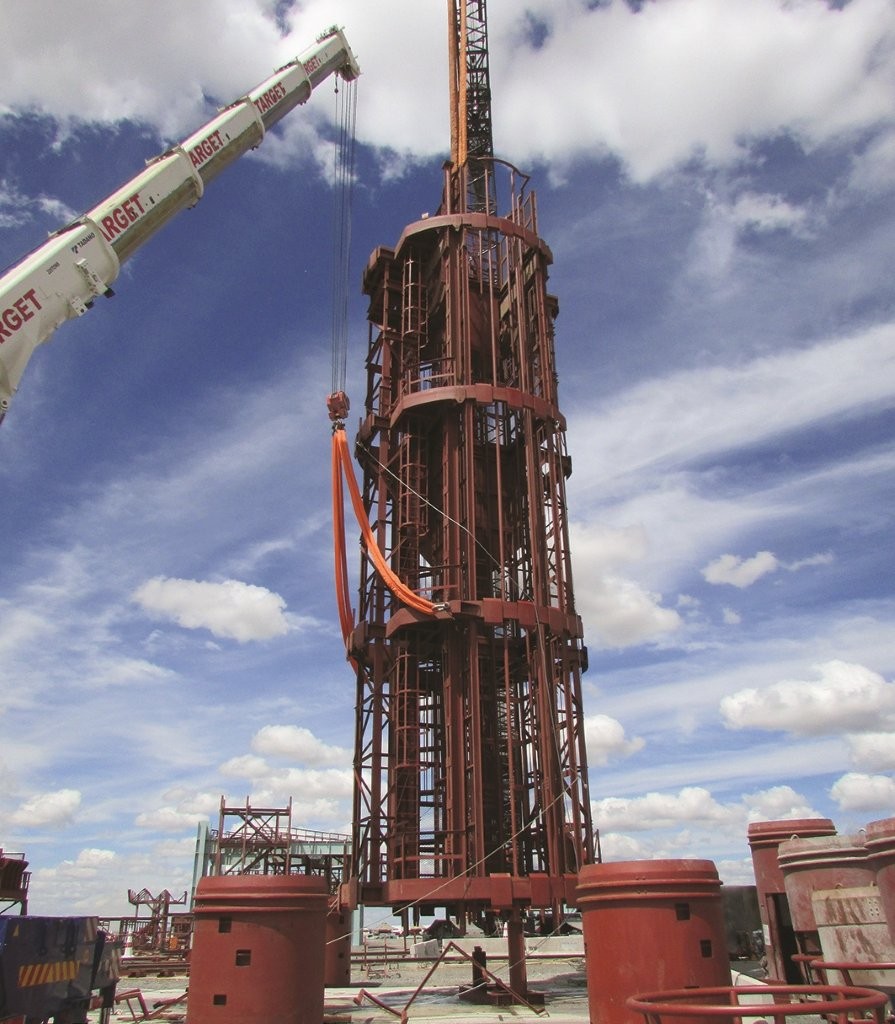
Cementation Africa demonstrates its specialist shaft sinking capability with the installation of a three-deck stage into a pre-sink shaft section using heavy and tandem lifts by its in-house rigging and roping team.
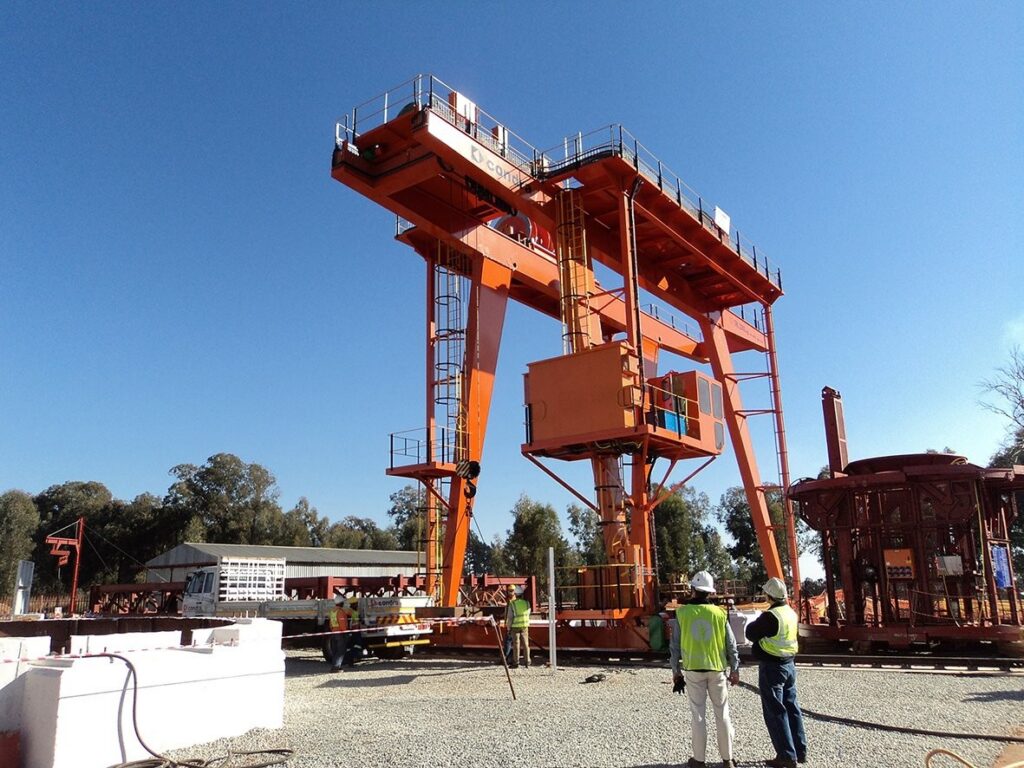
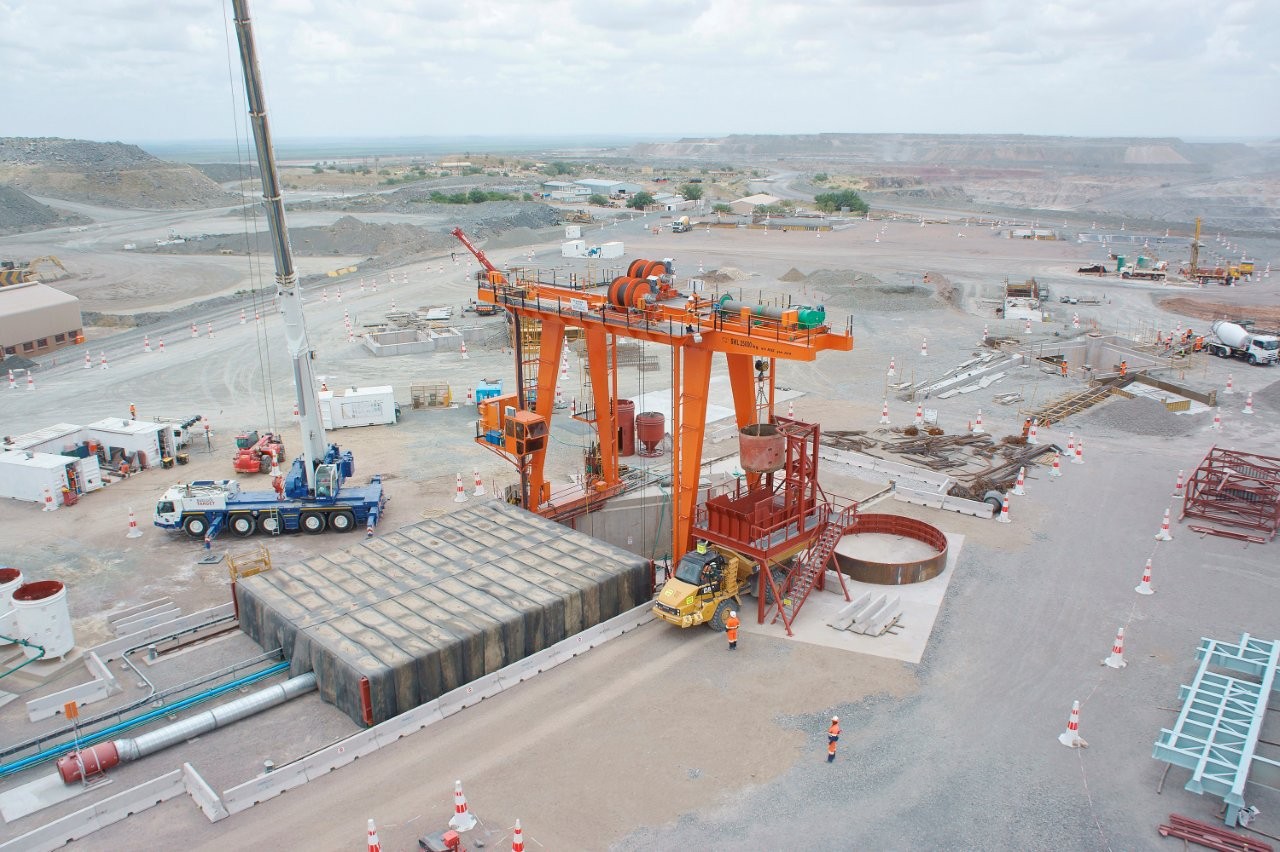
Cementation Africa’s in-house modified gantry crane supports pre-sinking activities by hosting the sinking stage and kibble, providing greater flexibility, faster deployment and automated, personnel-free tipping.
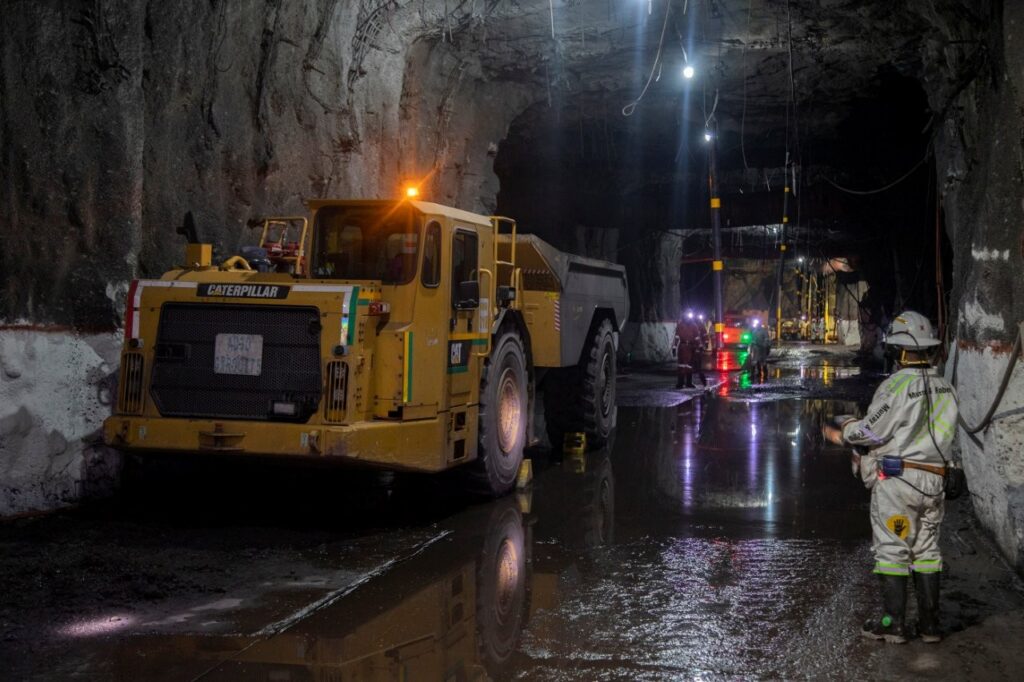
Cementation Africa delivers robust underground infrastructure supported by strong maintenance strategies, in-house design expertise and dedicated teams for life-of-mine solutions.
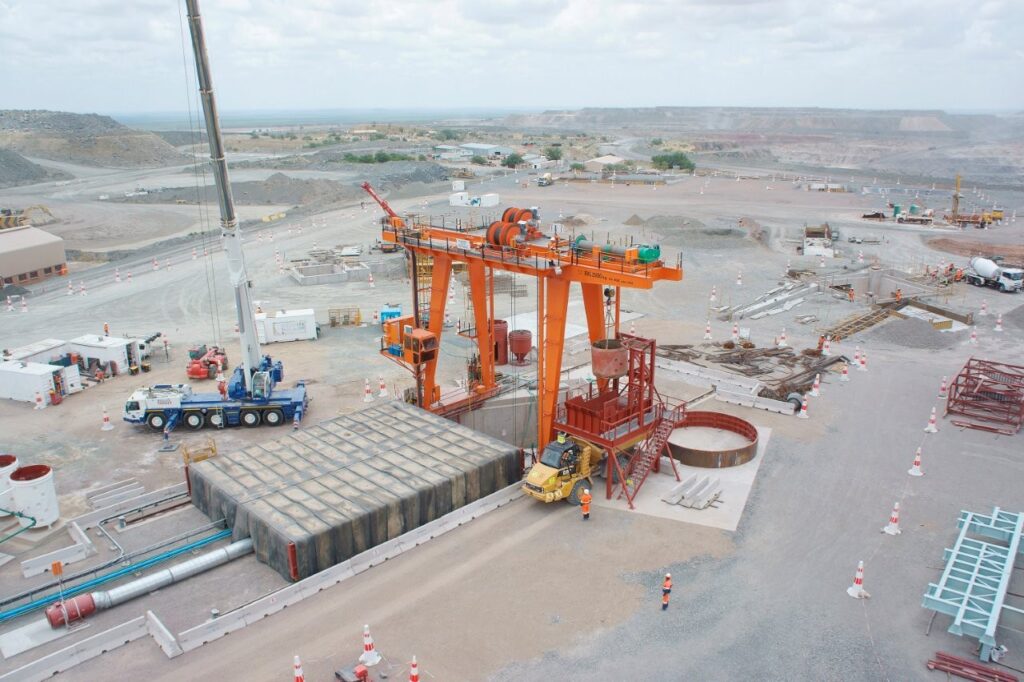
Developed by Cementation Africa, this gantry crane enables safe and efficient pre-sink shaft operations while removing personnel from high-risk contact areas.

Cementation Africa’s Bentley Park facility houses its Training Academy, equipment warehouse and specialist refurbishment workshop, where underground machines are rebuilt with OEM support and warranty, backed by a dedicated field services rigging team.
